

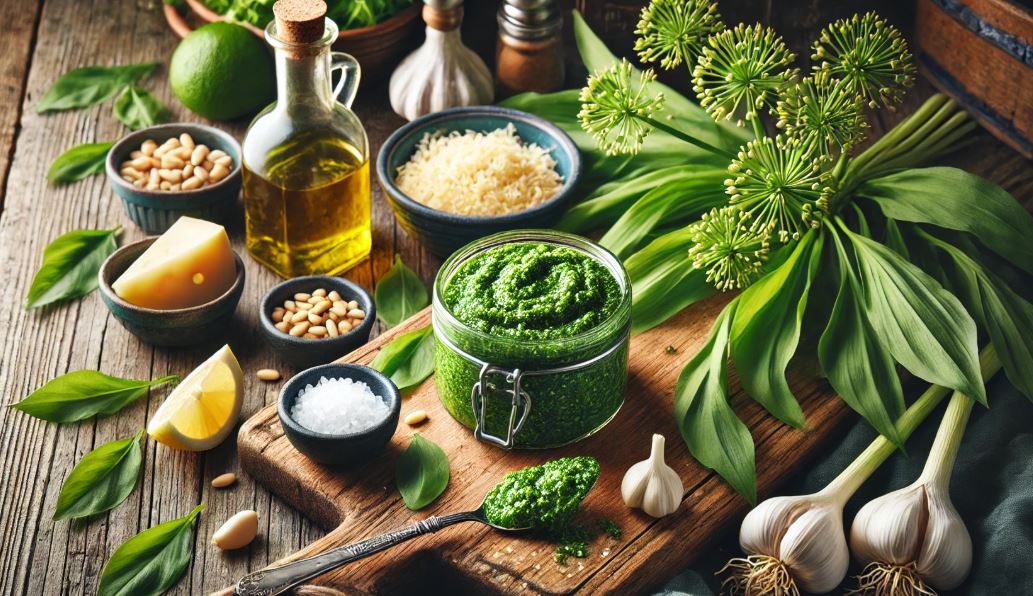
Wild garlic pesto is a seasonal delight, offering a fresh and aromatic twist on the classic Italian sauce. With its distinct flavour and vibrant green colour, it celebrates the essence of spring in the UK.
This guide provides a detailed, step-by-step approach to creating a simple yet flavourful wild garlic pesto recipe at home.
From ingredient selection to chef-recommended variations, this recipe is an ideal way to enjoy nutritious, locally foraged ingredients in everyday cooking.
What is Wild Garlic Pesto?
Wild garlic pesto is a seasonal variation of the classic Italian sauce, traditionally made using basil. In this version, wild garlic takes centre stage, offering a fresh, pungent alternative that grows freely in many parts of the UK during spring.
With its vibrant green colour and naturally garlicky flavour, wild garlic transforms pesto into a nutritious, fragrant addition to a wide range of dishes.
Unlike cultivated garlic bulbs, wild garlic consists of leafy greens harvested directly from the wild.
Also known as ramsons, it belongs to the allium family, like chives and leeks, and its leaves are typically used in recipes from March to May. When blended with nuts, cheese, and oil, wild garlic yields a pesto that’s not only flavourful but also rich in nutrients.
Pesto made with wild garlic also carries the essence of British woodlands in spring, bringing both a seasonal and local flavour to the table.
When is Wild Garlic in Season in the UK?
Wild garlic is a true seasonal gem in the UK, with its growing period typically running from early March through to mid-May. Found in shady, damp woodlands, along riverbanks, and in hedgerows, wild garlic flourishes in moist, nutrient-rich soil.
The plant begins to bloom with white, star-shaped flowers toward the end of its season, which is a visual sign that foraging opportunities are nearing their end.
Foraging for wild garlic is legal in public areas, but it’s always advised to ensure landowner permission when on private property.
According to guidance from the Woodland Trust and Riverford, the best time to harvest is just before the flowers bloom, when the leaves are still young, tender, and at their most flavoursome.
Key foraging tips include:
- Look for large patches in woodland areas, particularly beneath deciduous trees.
- Use your nose, the garlic scent is a strong indicator.
- Only take what you need and leave the bulbs in the ground to ensure regrowth.
Once picked, wild garlic leaves should be rinsed thoroughly to remove dirt or insects and used fresh or stored in the fridge for up to a week. The freshness of the leaves will significantly influence the quality of your pesto.
Ingredients of Wild Garlic Pesto
Creating a delicious wild garlic pesto at home requires just a few key ingredients, each contributing to the sauce’s rich texture and robust flavour. The ingredients can also be adjusted to accommodate dietary preferences like vegan or nut-free versions.
| Ingredient | Quantity | Notes |
| Wild Garlic Leaves | 100g | Fresh, washed thoroughly |
| Pine Nuts (or alt.) | 50g | Toasted for richer flavour |
| Parmesan Cheese | 50g | Grated (use vegetarian hard cheese if needed) |
| Olive Oil | 100ml | Extra virgin for best flavour |
| Lemon Juice | 1 tbsp | Optional – for brightness |
| Salt | To taste | Sea salt recommended |
| Black Pepper | To taste | Freshly cracked |
Substitutes:
- Use cashews or sunflower seeds for nut-free alternatives.
- Nutritional yeast works well for vegan versions in place of Parmesan.
All ingredients can be blended together in a food processor to form a smooth paste, adjusting the oil for desired consistency.
How Should You Store Wild Garlic Pesto and How Long Does It Last?
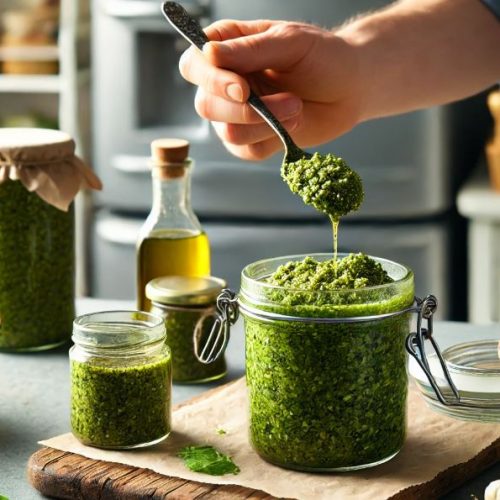
Storage is key to preserving the vibrant green colour and punchy taste of wild garlic pesto. Once prepared, transfer the pesto into a sterilised glass jar and cover it with a layer of olive oil to seal out air.
Storage tips:
- Refrigerate for up to 7–10 days
- Freeze in ice cube trays, then transfer cubes into freezer bags
- Avoid plastic containers for long-term storage as they may affect flavour
Freezing is the most reliable method for extending the shelf life while maintaining freshness. It allows you to enjoy this seasonal delicacy well beyond spring.
How Do You Make a Simple Wild Garlic Pesto at Home?
Preparing wild garlic pesto at home is a straightforward process that requires minimal equipment and ingredients, yet delivers vibrant flavour and nutrition. The entire method can be completed in under 15 minutes, making it ideal for quick meals or batch-prepping condiments.
1. Prepare the Wild Garlic
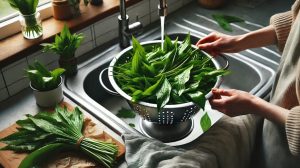
The process begins by thoroughly rinsing 100 grams of wild garlic leaves in cold water to remove soil or insects. The leaves should then be patted dry using a clean tea towel or left to air-dry on kitchen paper. Ensuring the leaves are dry prevents water from diluting the pesto.
2. Toast the Nuts

In a dry frying pan over medium heat, toast 50 grams of pine nuts (or the chosen alternative such as walnuts, almonds, or sunflower seeds) until they’re lightly golden. This enhances the depth of flavour and adds a subtle nuttiness to the final sauce. Stir regularly to prevent burning, then remove from heat and let cool.
3. Grate the Cheese

If using Parmesan or a vegetarian hard cheese, grate about 50 grams and set aside. Pre-grated cheese can be used in a pinch but freshly grated cheese tends to integrate better into the pesto.
4. Set Up the Food Processor
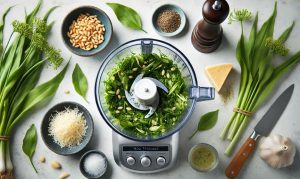
In a food processor or blender, combine the following:
- Wild garlic leaves
- Toasted and cooled nuts
- Grated cheese
- A pinch of sea salt
- A few cracks of black pepper
5. Begin Blending

Pulse the ingredients together for a few seconds until roughly chopped. Then, while the processor is running, gradually pour in 100 millilitres of extra virgin olive oil. This step ensures the oil emulsifies properly, creating a smooth yet textured consistency.
6. Adjust to Taste
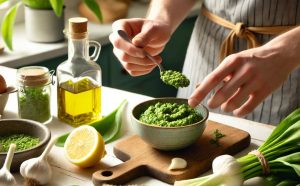
Taste the pesto and adjust seasoning if necessary. Add a tablespoon of fresh lemon juice to brighten the flavour, especially if the leaves are strong or slightly bitter. For a thinner pesto, more olive oil can be added.
7. Store Appropriately
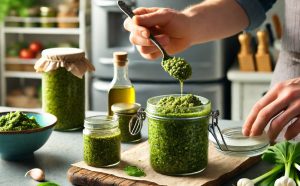
Once blended to the desired texture, transfer the pesto into a clean, airtight jar. Smooth the top and pour a thin layer of olive oil over the surface to preserve freshness and colour.
Store in the refrigerator and use within one week, or freeze in small portions for longer shelf life.
Where Can You Forage Wild Garlic Safely and Legally?
Foraging wild garlic is generally permitted in public woodland areas across the UK, provided it’s for personal use and conducted responsibly.
However, laws prohibit uprooting any plant without the landowner’s consent, as protected under the Wildlife and Countryside Act 1981. Therefore, harvesting only the leaves (not the bulbs) is both ethical and legal.
Popular wild garlic foraging spots include:
- The South Downs
- Epping Forest
- Sherwood Forest
- Forest of Dean
- Woodland Trust sites
Before foraging:
- Confirm you’re on public land or have landowner permission
- Avoid areas near roads or polluted water sources
- Use a field guide or app to verify correct identification
Wild garlic can be confused with lily of the valley or lords-and-ladies, both of which are toxic.
The safest method of identification is the smell: wild garlic leaves, when crushed, emit a distinct garlicky aroma. Once collected, transport them in a paper bag or basket to prevent sweating and spoilage.
Practising sustainable foraging ensures the plant population remains healthy for future seasons, and it also aligns with the growing interest in slow food and natural cooking methods.
What Are the Health Benefits of Wild Garlic?
Wild garlic isn’t just flavourful, it’s also a nutritional powerhouse. Its long-standing reputation in herbal medicine, particularly across Europe, is based on its natural antiseptic, anti-inflammatory, and digestive benefits.
According to the NHS and various UK-based health sources, it’s rich in vitamins A and C, as well as antioxidants.
Key health benefits include:
- Immune System Support: Wild garlic has antimicrobial compounds that help fight infections.
- Heart Health: It may contribute to reduced blood pressure and cholesterol levels.
- Detoxification: Helps eliminate toxins due to its sulphur-containing compounds.
- Digestive Aid: Traditionally used to soothe bloating and stimulate appetite.
Because wild garlic is often eaten raw in pesto, its health benefits remain largely intact, unlike garlic bulbs which lose potency during cooking. Integrating wild garlic into meals during spring adds a nutritional lift, especially when replacing more processed condiments or sauces.
For those looking to adopt more plant-based, foraged foods into their diet, wild garlic offers both accessibility and proven wellness advantages.
Nutritional Value of Wild Garlic (Per 100g, raw)
| Nutrient | Approximate Value | Health Benefit |
| Energy | 38 kcal | Low in calories, ideal for light diets |
| Carbohydrates | 6.4 g | Natural energy source |
| Protein | 2.4 g | Supports cell repair and function |
| Fat | 0.1 g | Very low in fat |
| Vitamin A | 1200 IU | Supports vision, immunity, and skin |
| Vitamin C | 31 mg | Boosts immune system, antioxidant support |
| Iron | 2.1 mg | Supports blood health |
| Magnesium | 50 mg | Helps regulate muscle and nerve function |
| Calcium | 75 mg | Strengthens bones and teeth |
| Sulphur Compounds | Present | Natural detoxifier, antimicrobial effects |
What Are the Most Delicious Ways to Use Wild Garlic Pesto?
Wild garlic pesto is as versatile as it is tasty. Whether you want to liven up a pasta dish or give sandwiches a gourmet twist, this condiment proves its worth across the board.
Serving Suggestions
- Stir through freshly cooked pasta
- Spread on sourdough or focaccia
- Drizzle over grilled vegetables
- Use as a marinade for chicken or fish
- Blend into salad dressings or soups
Its bold flavour also pairs beautifully with eggs, cheese, and earthy grains like quinoa or barley, making it a well-rounded ingredient for spring meals.
Wild Garlic Pesto Variations
1. Vegan Wild Garlic Pesto Recipe
Difference: This variation adds parmesan cheese to give it a richer, creamier texture, contrasting the vegan version’s absence of dairy.
Toasted pine nuts enhance depth, replacing vegan substitutes. Olive oil usage remains generous, maintaining a silky consistency similar to the original vegan pesto.
Instructions:
- Rinse 100g fresh wild garlic leaves and pat dry gently.
- Lightly toast 50g pine nuts in a pan until golden.
- Place wild garlic and toasted pine nuts into a blender or food processor.
- Add 50g grated parmesan cheese and season lightly with salt and pepper.
- Drizzle 100ml extra virgin olive oil gradually while blending.
- Pulse until smooth yet slightly textured.
- Store in a sealed jar or use fresh over pasta or crusty bread.
2. Jamie Oliver Chilli and Garlic Pesto Recipe
Difference: Unlike Jamie’s chilli-infused pesto, this version omits chilli completely, focusing entirely on the fresh, subtle sweetness of wild garlic leaves.
It substitutes walnuts for almonds to give it a buttery taste, distinct from Jamie’s recipe. A touch of lemon zest adds brightness absent from the original.
Instructions:
- Wash thoroughly 100g wild garlic leaves, drain and dry well.
- Toast gently 50g walnuts in a dry pan until aromatic.
- Add wild garlic, toasted walnuts, and 60g parmesan cheese into a food processor.
- Grate the zest of half a lemon into the mixture.
- Gradually blend while pouring in 100ml quality olive oil.
- Season to taste with sea salt and freshly ground pepper.
- Blend into a chunky-smooth texture, and serve fresh or store refrigerated.
3. Roasted Garlic Pesto Recipe
Difference: This variation uses fresh wild garlic instead of roasted garlic cloves, giving it a more vibrant and peppery bite rather than the mellow sweetness of roasted garlic.
Pecorino cheese replaces typical parmesan to enhance the sharpness. Fresh lemon juice balances the stronger flavors uniquely.
Instructions:
- Clean 100g wild garlic leaves, rinse thoroughly, and dry carefully.
- Lightly toast 50g pine nuts in a pan, then set aside to cool slightly.
- Add wild garlic leaves and pine nuts to a blender or food processor.
- Pour in 80ml olive oil slowly while blending at low speed.
- Mix in 50g freshly grated pecorino cheese and juice of half a lemon.
- Season well with salt and freshly cracked black pepper.
- Blend until a thick, slightly textured pesto forms; refrigerate or serve immediately.
4. Riverford Wild Garlic Pesto Recipe
Difference: Compared to Riverford’s classic recipe, this variation introduces sunflower seeds in place of traditional pine nuts for nuttier earthiness.
It includes aged cheddar instead of parmesan for deeper savoury complexity. Fresh basil leaves accompany wild garlic, adding herbal freshness distinct from Riverford’s pure garlic version.
Instructions:
- Thoroughly wash and dry 80g wild garlic leaves and 20g fresh basil leaves.
- Toast gently 50g sunflower seeds until slightly golden.
- Place wild garlic, basil, and sunflower seeds into a food processor.
- Add 60g grated aged cheddar cheese.
- Blend ingredients together, slowly adding 100ml extra virgin olive oil.
- Season with salt, pepper, and a splash of lemon juice.
- Pulse into a coarse yet creamy pesto consistency and serve fresh or refrigerate.
5. Garlic Shrimp Pesto Pasta Recipe
Difference: This pesto variant emphasizes wild garlic flavor prominently, unlike garlic shrimp pesto pasta, which relies on seafood flavors.
It excludes shrimp entirely, focusing on vegetarian ingredients like roasted almonds. Fresh parsley is added for extra brightness, distinguishing it significantly from shrimp-centric recipes.
Instructions:
- Clean and dry thoroughly 100g wild garlic leaves.
- Toast 50g almonds in a dry skillet until aromatic and golden.
- Combine wild garlic leaves, almonds, and 20g fresh parsley in a blender.
- Gradually pour in 100ml olive oil while blending smoothly.
- Add 50g grated parmesan cheese, blending briefly again.
- Adjust seasoning with salt, pepper, and a squeeze of fresh lemon.
- Pulse until achieving desired texture, then use immediately or refrigerate.
6. Lidia’s Roasted Garlic Pesto Recipe
Difference: This variation uses freshly picked wild garlic leaves for sharpness and freshness rather than Lidia’s caramelized roasted garlic cloves.
Pistachios replace traditional nuts, offering a unique sweet-earthy depth compared to Lidia’s pine nuts. Additionally, red wine vinegar adds a subtle acidity absent from Lidia’s original pesto.
Instructions:
- Thoroughly wash and dry 100g wild garlic leaves.
- Lightly toast 50g shelled pistachios until fragrant.
- Add wild garlic leaves and toasted pistachios into a food processor.
- Slowly pour 100ml olive oil into the mixture while blending.
- Mix in 50g freshly grated parmesan cheese and 1 teaspoon red wine vinegar.
- Season to taste with salt and freshly ground pepper.
- Blend briefly into a slightly chunky pesto; serve immediately or store chilled.
Conclusion
Crafting wild garlic pesto at home is both rewarding and remarkably simple. It brings seasonal, foraged ingredients into the kitchen and offers a delicious alternative to traditional pesto.
Whether stirred into pasta, spread on bread, or frozen for later use, this versatile sauce enhances a wide range of meals.
With variations to suit vegan, nut-free, and classic preferences, wild garlic pesto remains a staple for anyone looking to embrace spring flavours with minimal effort and maximum nutritional value.
FAQs
What does wild garlic taste like compared to regular garlic?
Wild garlic has a milder, fresher flavour compared to the sharpness of garlic bulbs. It’s more herbaceous and leafy, ideal for raw preparations like pesto.
Is it safe to eat wild garlic raw?
Yes, wild garlic is safe to eat raw and is most commonly used raw in pesto, salads, and dressings to retain its vibrant flavour and nutrients.
Can you eat the flowers of wild garlic?
Yes, the white star-shaped flowers are edible and make attractive, mildly garlicky garnishes for dishes such as soups or salads.
How can you identify wild garlic properly?
The easiest way is by its strong garlic scent. The leaves are long, pointed, and grow in clusters. Be cautious of toxic lookalikes like lily of the valley.
How long does it take to make wild garlic pesto?
With prep included, it typically takes about 10–15 minutes to make a batch of wild garlic pesto using a food processor.
Wild Garlic Pesto Recipe
Ingredients
- 100 g Wild Garlic Leaves Fresh and washed thoroughly
- 50 g Pine Nuts Toasted for richer flavour
- 50 g Parmesan Cheese use vegetarian hard cheese if needed
- 100 ml Olive Oil Extra virgin for best flavour
- 1 tbsp Lemon Juice Optional – for brightness
- Salt
- Black Pepper Freshly cracked
Instructions
- The process begins by thoroughly rinsing 100 grams of wild garlic leaves in cold water to remove soil or insects. The leaves should then be patted dry using a clean tea towel or left to air-dry on kitchen paper. Ensuring the leaves are dry prevents water from diluting the pesto.100 g Wild Garlic Leaves
- In a dry frying pan over medium heat, toast 50 grams of pine nuts (or the chosen alternative such as walnuts, almonds, or sunflower seeds) until they’re lightly golden. This enhances the depth of flavour and adds a subtle nuttiness to the final sauce. Stir regularly to prevent burning, then remove from heat and let cool.50 g Pine Nuts
- If using Parmesan or a vegetarian hard cheese, grate about 50 grams and set aside. Pre-grated cheese can be used in a pinch but freshly grated cheese tends to integrate better into the pesto.50 g Parmesan Cheese
- In a food processor or blender, combine the following: Wild garlic leaves, Toasted and cooled nuts, Grated cheese, A pinch of sea salt, A few cracks of black pepperSalt, Black Pepper
- Pulse the ingredients together for a few seconds until roughly chopped. Then, while the processor is running, gradually pour in 100 millilitres of extra virgin olive oil. This step ensures the oil emulsifies properly, creating a smooth yet textured consistency.100 ml Olive Oil
- Taste the pesto and adjust seasoning if necessary. Add a tablespoon of fresh lemon juice to brighten the flavour, especially if the leaves are strong or slightly bitter. For a thinner pesto, more olive oil can be added.1 tbsp Lemon Juice
- Once blended to the desired texture, transfer the pesto into a clean, airtight jar. Smooth the top and pour a thin layer of olive oil over the surface to preserve freshness and colour.
- Store in the refrigerator and use within one week, or freeze in small portions for longer shelf life.