

As someone who’s always been drawn to natural remedies and simple, time-honoured preparations, discovering lemon balm was like finding a small miracle in my garden.
I’m Bella Franklin, and in this guide, I’ll walk you through how to make a lemon balm extract at home, an herbal staple that’s incredibly easy to craft and remarkably versatile.
Whether you’re curious about lemon balm for its calming effects, its culinary charm, or its gentle medicinal properties, this recipe and its variations will give you everything you need.
What is Lemon Balm?
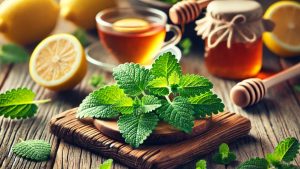
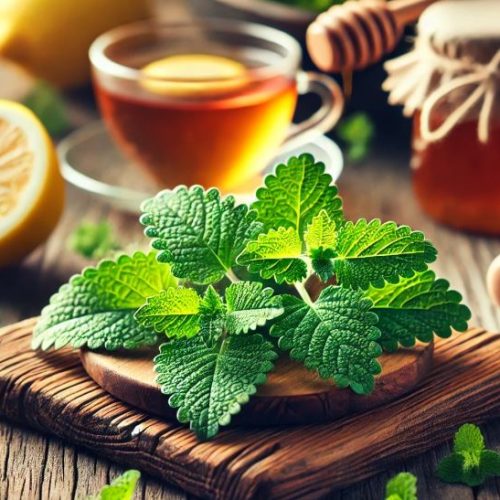
Lemon balm (Melissa officinalis) is a fragrant herb from the mint family, recognised for its subtle lemon scent and soothing properties. For centuries, herbalists have turned to lemon balm to calm the nervous system, relieve digestive issues, and promote restful sleep.
But it’s more than just a medicinal herb; lemon balm also shines in the kitchen, complementing dishes, teas, and syrups with a light citrusy note.
In my own garden, I’ve found lemon balm to be incredibly easy to grow. It thrives in pots or borders, enjoys sunlight, and bounces back year after year with minimal care. Once harvested, its versatility opens up an array of possibilities:
- Make herbal teas and infusions
- Craft tinctures, extracts, and syrups
- Infuse oils and vinegars for cooking or skincare
- Blend into pestos, desserts, and refreshing spritzers
What sets lemon balm apart from many other herbs is its unique combination of flavour and function. Its citrus-mint profile isn’t overpowering, making it a favourite for delicate beverages and light dishes. At the same time, its mild sedative properties have been studied for helping reduce anxiety and stress.
What Can You Make With Lemon Balm?
From kitchen to apothecary, lemon balm wears many hats. When I started exploring recipes, I was pleasantly surprised to find just how adaptable this herb is. You can create everything from everyday teas to homemade syrups and extracts, all with a few handfuls of fresh leaves.
Some of my favourite lemon balm creations include:
- Lemon balm herbal tea: A classic calming drink that takes only hot water and fresh leaves
- Homemade lemon balm syrup: Perfect for cocktails, mocktails, and drizzling over desserts
- Infused oils and vinegars: Excellent for salad dressings or topical skincare
- Lemon balm tinctures: Concentrated extracts used for herbal medicine
- Cooking with lemon balm: It pairs beautifully with fish, fruit, and soft cheeses
I’ve also used it in homemade balms and lotions, taking advantage of its soothing effect on the skin. Lemon balm’s mild antibacterial and antiviral qualities make it a go-to for gentle skincare routines.
You’ll find it often included in:
- Relaxation teas and bedtime blends
- Recipes aimed at easing digestive discomfort
- Aromatic body oils or bath salts
The beauty of lemon balm lies in its subtle strength, it’s gentle, accessible, and incredibly effective in both flavour and function.
How Do I Make a Simple Lemon Balm Extract at Home?
Making lemon balm extract at home doesn’t require fancy tools or obscure ingredients. I’ve made this in my kitchen with as little as a glass jar, some vodka, and a few handfuls of fresh lemon balm.
To get started:
- Choose your herb: Use fresh lemon balm leaves for a vibrant infusion, though dried leaves will work in a pinch.
- Pick your base: High-proof vodka (at least 40%) is ideal for making a tincture. For a non-alcoholic version, you can use apple cider vinegar.
- Use clean jars: Always sterilise your jars before infusing to prevent contamination.
- Be patient: The extract needs about 4–6 weeks to properly infuse.
This process is ideal for herbal beginners. Once strained, your extract can be used in teas, applied topically, or taken in small doses as a calming remedy. The result is a golden green liquid rich in herbal goodness and calming compounds.
Ingredients for Lemon Balm Recipe
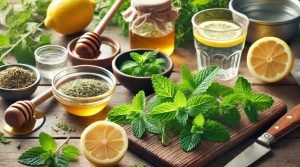
If you’ve gathered fresh lemon balm from your garden or local market, you’re already halfway there. Here’s what you’ll need:
Ingredients Table
| Quantity | Ingredient | Specification |
| 1 cup (loosely packed) | Fresh Lemon Balm Leaves | Rinsed, patted dry, finely chopped |
| 250 ml | Vodka or Apple Cider Vinegar | At least 40% ABV if using alcohol |
| 1 jar | Glass Jar with Lid | Sterilised and airtight |
| 1 piece | Cheesecloth or Fine Strainer | For straining the extract |
| 1 funnel (optional) | Funnel | For easier pouring into bottles |
How to Make Lemon Balm Tincture or Herbal Extract? – (Step-by-Step)
Making your own herbal extract might sound complex, but it’s incredibly straightforward. Here’s how I do it:
Step-by-Step Instructions
- Prepare the Jar: Sterilise your glass jar with boiling water and let it dry completely.
- Add the Lemon Balm: Place the chopped leaves loosely in the jar. Don’t pack them tightly.
- Pour the Base: Cover the leaves fully with vodka or vinegar. Ensure all leaves are submerged.
- Seal and Label: Seal the jar tightly. Label with the date and ingredients.
- Store and Shake: Keep the jar in a cool, dark cupboard. Shake it every few days to redistribute the herbs.
- Strain and Bottle: After 4–6 weeks, strain the mixture using a cheesecloth or fine strainer. Bottle the liquid in amber glass dropper bottles if possible.
The extract should last up to a year if stored properly. I usually keep mine in a kitchen cupboard, out of sunlight.
Can I Use Lemon Balm for Cooking, Tea, or Skincare?
Absolutely. What makes lemon balm so delightful is its wide range of uses. Beyond extracts, I’ve used lemon balm in:
- Cooking: Add to salads, vinaigrettes, desserts, and roasted vegetables
- Teas: A caffeine-free alternative with soothing benefits
- Skincare: Infuse into oils or balms for topical relief from irritation or dryness
I often combine lemon balm with lavender or chamomile for both teas and skin remedies. Its gentle scent pairs well with other floral herbs and citrus oils. You can also blend it with aloe vera gel for a cooling skin lotion.
When using lemon balm topically or internally, always:
- Use clean, food-grade herbs
- Check for allergies or sensitivities
- Consult your herbalist or GP for long-term use
Tips for Growing, Harvesting, and Storing Lemon Balm at Home
Growing lemon balm is easy and rewarding. I recommend planting it in a sunny spot with well-drained soil. It spreads quickly, so containers work well for smaller spaces.
Growing Tips
- Plant in early spring or autumn
- Space 30cm apart if planting in rows
- Water regularly but avoid waterlogging
Harvesting
- Harvest just before flowering for peak flavour
- Use scissors to snip fresh leaves in the morning
- Don’t harvest more than one-third at a time
Storing
- Drying: Hang bunches upside down or use a dehydrator
- Freezing: Chop and freeze in ice cube trays with water or oil
- Storing: Keep dried leaves in airtight jars in a dark cupboard
What Are the Health Benefits of Lemon Balm Recipes?
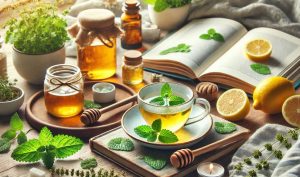
Lemon balm’s calming and digestive properties are well documented. It’s known to:
- Support relaxation and reduce stress
- Aid digestion and relieve bloating
- Improve sleep quality
- Support skin health and soothe irritation
Several studies support its effect on anxiety and mild insomnia. I often turn to lemon balm extract or tea before bedtime or after a stressful day.
Nutritional Table (Per 1 tbsp of lemon balm)
| Nutrient | Amount |
| Calories | 2 kcal |
| Carbohydrates | 0.4 g |
| Protein | 0.1 g |
| Fibre | 0.2 g |
| Vitamin C | 1.5 mg |
| Calcium | 13 mg |
| Iron | 0.2 mg |
Note: Nutritional values vary based on preparation and serving size.
How Long Does Homemade Lemon Balm Extract Last?
Properly made and stored lemon balm extract can last up to 12 months. Always keep it in a dark, cool cupboard. If you see mould, cloudiness, or a strange smell, it’s time to discard.
Tips for longevity:
- Use amber glass bottles to block light
- Label with date of preparation
- Shake occasionally to prevent separation
I also keep smaller bottles for regular use and a larger backup batch in storage.
Variations of Lemon Balm Recipe
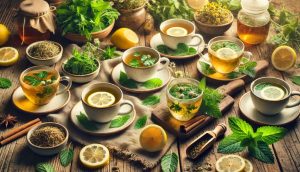
Over the years, I’ve come across several inspired lemon balm recipes by herbalists and chefs. These are my favourites:
Honey Lemon Balm Spritzer – Inspired by Amy Johnson
- Combine lemon balm syrup with sparkling water
- Add honey for a touch of sweetness
- Serve over ice with a lemon wedge
Lemon Balm Pesto – Inspired by Adina Beck
- Blend lemon balm with pine nuts or walnuts
- Add olive oil, garlic, parmesan, and lemon zest
- Use over pasta, bread, or grilled fish
Lemon Balm Syrup – Melissa from Roots & Refuge
- Simmer lemon balm leaves with sugar and water
- Strain and store in the fridge
- Add to teas, sodas, or cocktails
Lemon Balm for Weight Loss – Health Embassy
- Mix lemon balm with green tea and citrus peel
- Drink in the morning to stimulate digestion
- Naturally low-calorie and cleansing
Classic Lemon Balm Tea – BBC Good Food
- Steep fresh lemon balm in boiling water for 5–7 minutes
- Add honey or ginger if desired
- Perfect evening wind-down drink
Lemon Balm & Dairy Pairings – Arla Chefs
- Use lemon balm in soft cheese spreads
- Fold into creamy dips or sauces
- Excellent with goat cheese and crackers
Final Thoughts
There’s something deeply rewarding about crafting your own herbal remedies, and lemon balm is one of the easiest and most effective herbs to start with.
Whether you’re sipping a warm tea, adding a few drops of extract to water, or blending it into a face serum, lemon balm adds calm, clarity, and comfort to daily life.
In my own routine, it has become a grounding presence, an everyday ritual that reconnects me with nature’s rhythm. Try a recipe or two, find the variation that suits you best, and let this humble herb work its quiet magic in your home.
FAQs About Lemon Balm Recipe
Can lemon balm help with anxiety?
Yes, studies suggest lemon balm may reduce symptoms of anxiety due to its calming effect on the nervous system.
Is it safe to take lemon balm daily?
For most people, lemon balm is safe in moderate amounts. Consult a GP if pregnant, nursing, or taking medication.
Can I combine lemon balm with other herbs?
Absolutely. It blends well with chamomile, lavender, and peppermint in teas and tinctures.
Does lemon balm interact with medications?
It can interact with thyroid and sedative medications. Speak with a healthcare provider if on prescription meds.
Can children use lemon balm?
Yes, in small doses. Lemon balm teas are often used to soothe fussy children or aid sleep.
How much lemon balm extract should I take?
A standard dose is 1–2 ml (around 20–40 drops) up to 3 times per day, diluted in water.
What’s the difference between a tincture and a syrup?
A tincture uses alcohol (or vinegar) as a base and is more concentrated. A syrup is sweetened and cooked.
Lemon Balm Recipe
Ingredients
- 1 cup Fresh Lemon Balm Leaves Rinsed, patted dry, finely chopped
- 250 ml Vodka or Apple Cider Vinegar At least 40% ABV if using alcohol
- 1 jar Glass Jar with Lid Sterilised and airtight
- 1 piece Cheesecloth or Fine Strainer For straining the extract
- 1 Funnel For easier pouring into bottles
Instructions
- Prepare the Jar: Sterilise your glass jar with boiling water and let it dry completely.1 jar Glass Jar with Lid
- Add the Lemon Balm: Place the chopped leaves loosely in the jar. Don’t pack them tightly.1 cup Fresh Lemon Balm Leaves
- Pour the Base: Cover the leaves fully with vodka or vinegar. Ensure all leaves are submerged.250 ml Vodka or Apple Cider Vinegar
- Seal and Label: Seal the jar tightly. Label with the date and ingredients.
- Store and Shake: Keep the jar in a cool, dark cupboard. Shake it every few days to redistribute the herbs.
- Strain and Bottle: After 4–6 weeks, strain the mixture using a cheesecloth or fine strainer. Bottle the liquid in amber glass dropper bottles if possible.1 piece Cheesecloth or Fine Strainer, 1 Funnel